In the quiet of a modest office on Farnam Street in Omaha, Nebraska, the most successful investor in history still arrives each morning with the same ritual he has followed for decades. A Cherry Coke, the morning newspapers, and a stack of annual reports. No Bloomberg terminal. No algorithmic models. No team of analysts buzzing in the next room. Just Warren Edward Buffett, his reading glasses, and an extraordinary mind that has compounded wealth — and wisdom — for more than sixty years.
The Making of
an Oracle
Born on August 30, 1930, in Omaha, Nebraska, Buffett showed an extraordinary aptitude for numbers and business from an impossibly young age. At eleven, he bought his first stock — three shares of Cities Service Preferred at $38 per share. By thirteen, he was running his own businesses: a paper route, a pinball machine operation, and a used golf ball venture.
The pivotal moment came at Columbia Business School, where Buffett studied under Benjamin Graham, the father of value investing. Graham's framework — buying securities for less than their intrinsic value, with a margin of safety — became the bedrock of Buffett's approach. But Buffett would evolve far beyond his mentor's teachings, influenced profoundly by his partnership with Charlie Munger.
"Charlie pushed me in the direction of not just buying bargains, as Ben Graham had taught me," Buffett has said. "He told me to forget what I knew about buying fair businesses at wonderful prices; instead, buy wonderful businesses at fair prices."
This evolution — from cigar-butt investing to quality compounding — is perhaps Buffett's greatest intellectual contribution to the field. It transformed not just his own portfolio but the entire practice of value investing, spawning generations of disciples who seek durable competitive advantages, or "moats," in the businesses they own.
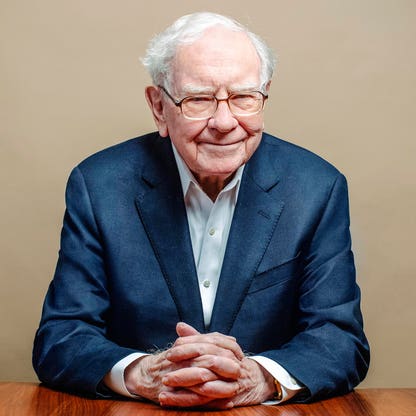
Warren Buffett, Chairman Emeritus, Berkshire Hathaway
~20%
Career CAGR
1965–2024
$900B+
Berkshire Market Cap
As of 2026
59
Annual Letters
Years of wisdom
$56B+
Philanthropy
Pledged to charity
Price is what you pay. Value is what you get. Whether we're talking about socks or stocks, I like buying quality merchandise when it is marked down.
Warren Buffett, 2008 Annual Letter
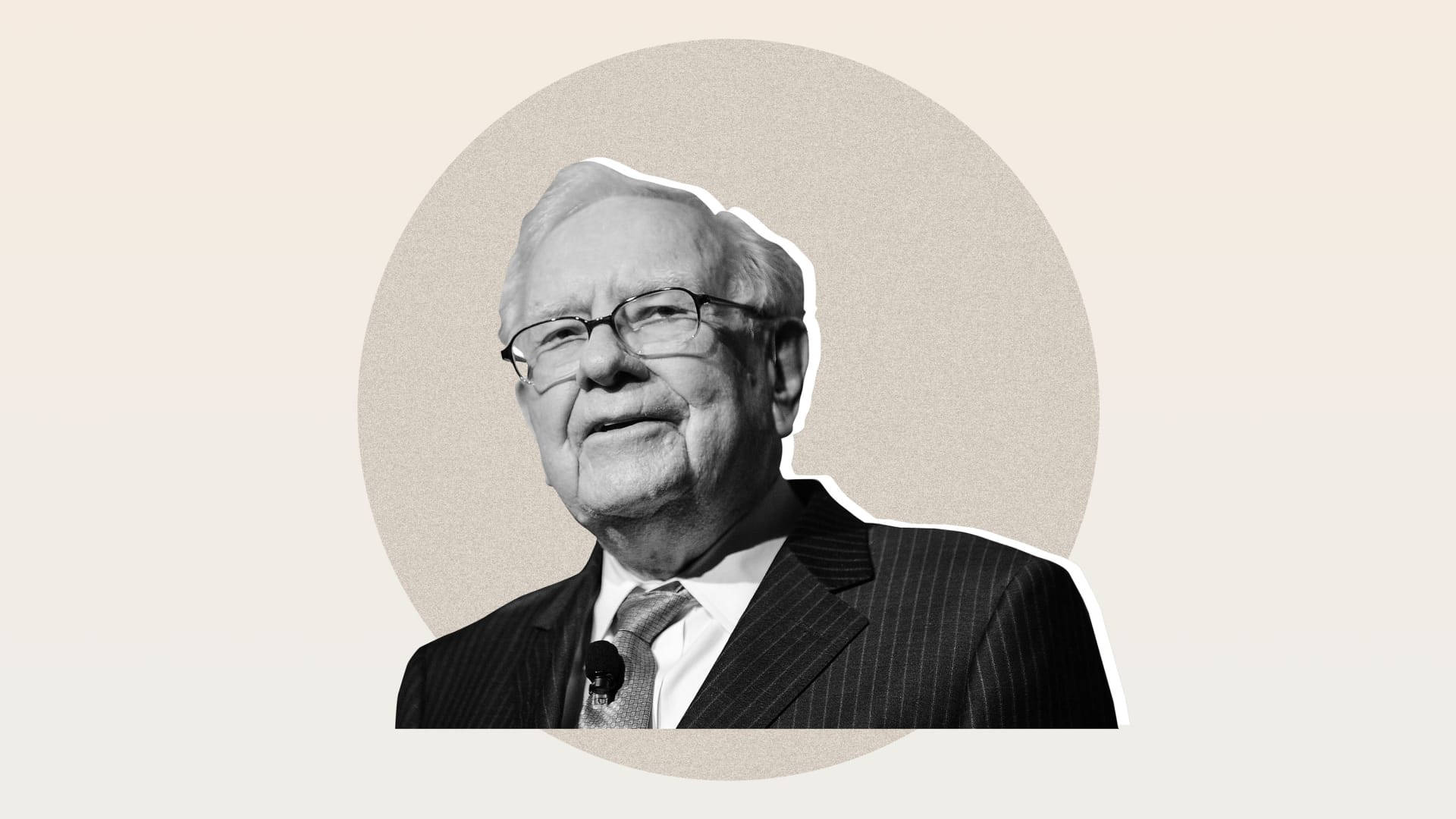
A lifetime of disciplined investing and principled leadership
On Patience, Principles,
& the Long Game
Q:
You've said that temperament is more important than intellect for investors. After six decades, what does the right temperament actually look like in practice?
Warren Buffett:
"It means being greedy when others are fearful and fearful when others are greedy. But more practically, it means having the ability to sit still. The stock market is a device for transferring money from the impatient to the patient. Most people can't sit still. They feel they have to be doing something. The best investors I've known are the ones who can read, think, and do nothing for long stretches."
Q:
How do you think about the role of technology in investing today? Has the proliferation of data and tools made investors better?
Warren Buffett:
"More information doesn't make you a better investor any more than a bigger library makes you smarter. What matters is the quality of your thinking, not the quantity of your data. I still read annual reports the same way I did fifty years ago. The numbers tell a story if you know how to listen. A Bloomberg terminal can't teach you that."
Q:
What advice would you give to a young person starting their investment journey today?
Warren Buffett:
"Read everything. Start with Ben Graham's 'The Intelligent Investor,' then read every annual report you can get your hands on. Develop your own framework for thinking about businesses. And most importantly, stay within your circle of competence. It's not how big the circle is that matters — it's knowing where the edges are."
The Buffett Tapes
A companion podcast exploring Buffett's investment philosophy, key decisions, and enduring lessons. Featuring commentary from scholars, biographers, and fellow investors.
Episode 1: The Education of an Investor
48:32 · Season 1
Ep. 2: Berkshire: The Compounding Machine
Ep. 3: The Annual Letters
Ep. 4: Succession & Legacy
The Enduring
Legacy
What makes Buffett's legacy unique is not merely the wealth he has created — though at its peak, Berkshire Hathaway's market capitalization exceeded $900 billion — but the intellectual framework he has gifted to the world. His annual letters to shareholders are perhaps the finest course in business and investing ever written, freely available to anyone with the curiosity to read them.
His influence extends far beyond finance. The Giving Pledge, which he co-founded with Bill and Melinda Gates, has secured commitments from hundreds of the world's wealthiest individuals to donate the majority of their wealth to philanthropy. Buffett himself has pledged over $56 billion to charitable causes.
As he enters his tenth decade, Buffett's principles remain as relevant as ever: invest in what you understand, maintain a margin of safety, think long-term, and never compromise your integrity. In a world increasingly driven by algorithms and short-term thinking, the Oracle of Omaha stands as a testament to the enduring power of patience, discipline, and independent thought.
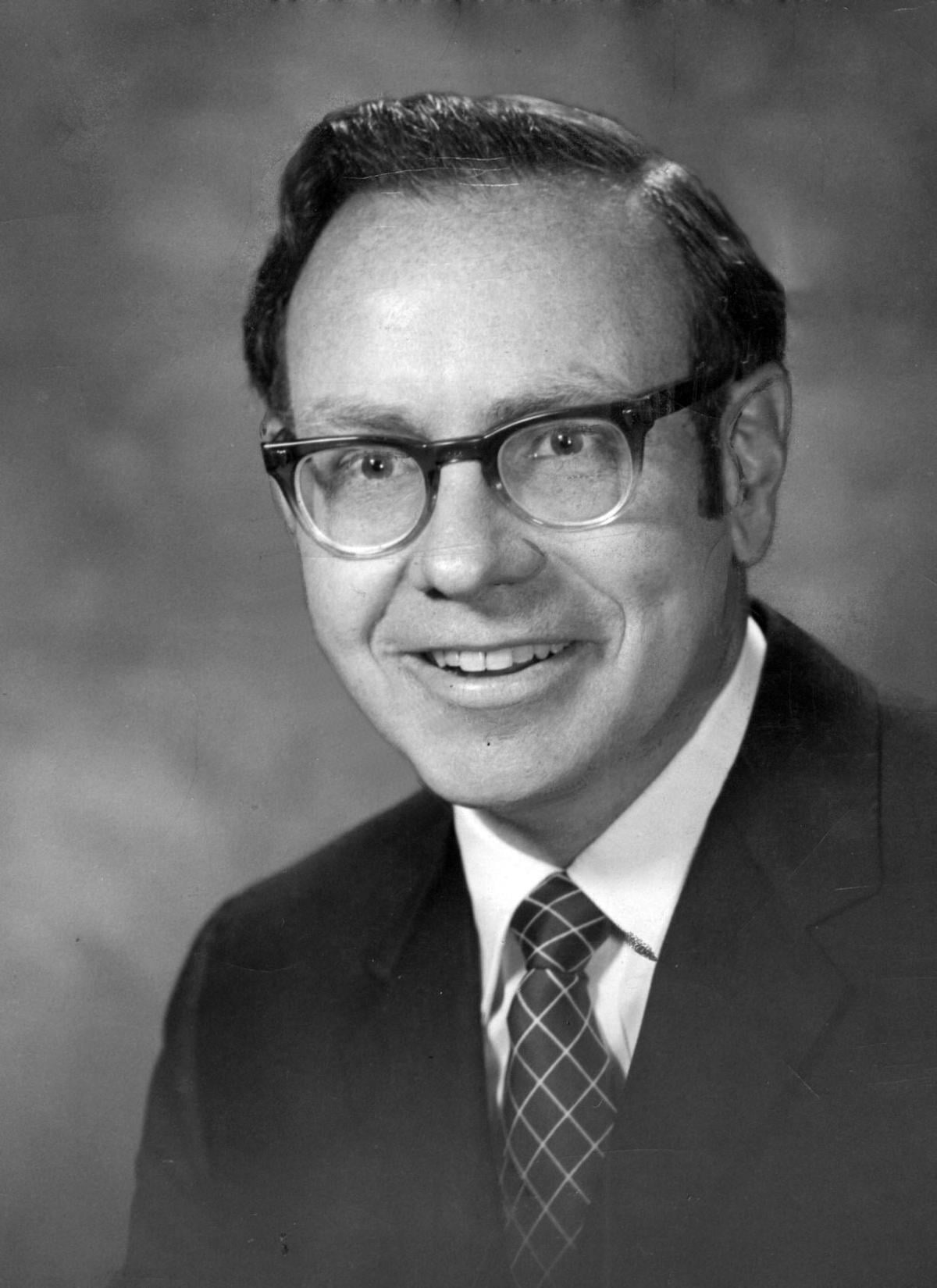
Warren Buffett in his early years — the foundations of an extraordinary career